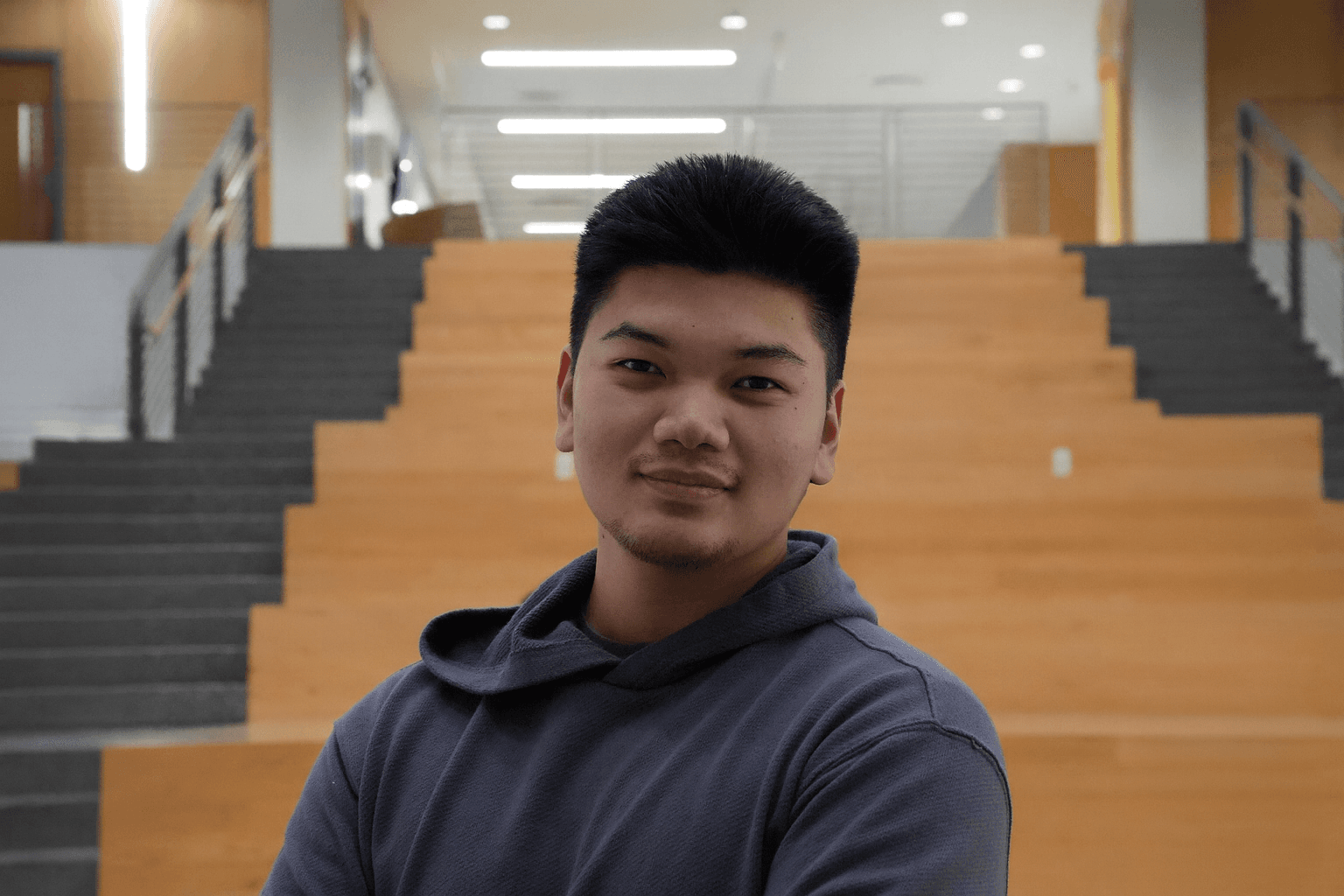
Hi, I'm Dina Taing
I am from Cambodia, a senior undergraduate in Lousiana State University Software Engineering, specializing in machine learning and high-performance computing. I have a background in research and currently develop and lead an open-source project for a research community.
Accomplishment
Tech Stack
Experience
- Reduced staff search time by 70% by integrating hospital tools and resources into a unified MCP-driven platform.
- Delivered fast, reliable enterprise access by building and deploying an MCP server integrated with Microsoft Teams.
- Used Microsoft Foundry AI, Azure containers, and Redis caching to provide centralized high-performance knowledge access.
- Developed an open-source JetBrains standalone plugin using Java, Python, and Docker to simplify setup and eliminate system-level issues.
- Implemented Tobii-Fusion eye-tracker to detect developer gaze and distinguish between handwritten and AI/Copilot-generated code.
- Reduced configuration failure by 80% through optimization and improved developer experience.
- Reduced CFD computation time by 20× by optimizing C++ multithreaded execution.
- Integrated AI-based prediction models into the OpenFOAM workflow to accelerate simulation results.
Highlighted Projects
Selected workA Java Spring Boot backend application that helps users find the best matching recipes based on ingredients available in their fridge. The system uses a custom fuzzy-matching algorithm to handle partial, misspelled, or incomplete ingredient lists and integrates JWT-based authentication for secure user access.
Click to open full case study →
A real-time hazardous infrastructure reporting app built with Flutter, AWS Amplify, DynamoDB, and AWS Lambda. Municipal empowers citizens to quickly report hazardous issues such as potholes, broken streetlights, flooding, unsafe intersections, and other municipal problems. Reports appear instantly on an interactive map, enabling rapid response and improved public safety.
Click to open full case study →
A JetBrains IDE plugin that integrates real-time eye-tracking analytics into the development environment to support research in AI for Software Engineering (AI4SE Lab). The plugin launches and manages a Dockerized Python backend for gaze tracking, streams gaze coordinates into IntelliJ-based IDEs, and enables visualization and logging of developer attention during coding sessions—reducing experimental setup friction and project failure rates by over 80%.
Click to open full case study →
A minimal but fully featured agentic controller loop that orchestrates an LLM with tools, JSON Schema validation, budgets, and retrieval-augmented generation. It demonstrates planning, argument repair, rolling summarization, and Chroma-based knowledge search on top of the OpenAI API.
Click to open full case study →
A machine learning project that models umpire strike-zone decisions for LSU Softball using real pitch-tracking data. The system predicts the probability of a called strike based on pitch location, batter/pitcher handedness, and swing behavior. Built using neural-network transfer learning, model surgery, and custom visualization tools to generate detailed strike-zone heatmaps.
Click to open full case study →
A production-grade Texas Hold’em engine built in Go with deterministic game state management, full betting-round logic, and real-time WebSocket synchronization. Includes a bot framework, rate-limited WebSocket server, state reconciliation system, and a host client for automated simulations and debugging.
Click to open full case study →